
You know that sinking feeling when you notice a new crack spreading across your driveway? Or when you’re getting ready for a family barbecue and suddenly realise your patio looks worse than it did last month? If you own property in East Toowoomba, you’re dealing with one of Queensland’s most challenging climates for concrete – scorching summers, winter frosts, and those sudden storm dumps that seem to come out of nowhere.
Here’s what most East Toowoomba homeowners don’t realise: concrete isn’t a “set and forget” surface. The temperature swings between our 35-degree January days and those 2-degree July mornings put serious stress on your driveways, patios, and paths. But with the right seasonal approach, you can add decades to your concrete’s lifespan and save thousands in premature replacement costs.
How East Toowoomba’s Climate Affects Your Concrete Surfaces
The Darling Downs climate is basically a stress test for concrete surfaces. During summer, East Toowoomba regularly hits temperatures above 32 degrees. Your concrete expands in this heat – sometimes up to 6mm across a standard driveway. Then overnight, temperatures can drop 15-20 degrees, causing rapid contraction.
What makes East Toowoomba particularly tough on concrete:
- Extreme temperature fluctuations – Toowoomba’s extreme temperature fluctuations can exceed 30+ degree swings between day and night
- Intense UV exposure – East-facing properties cop harsh morning sun
- Heavy storm events – Sudden summer downpours dump water faster than surfaces can handle
- Winter frost cycles – Water freezes in cracks, expands, and makes them bigger
- Clay-rich soil movement – Black soil expands and contracts, putting pressure on concrete from below
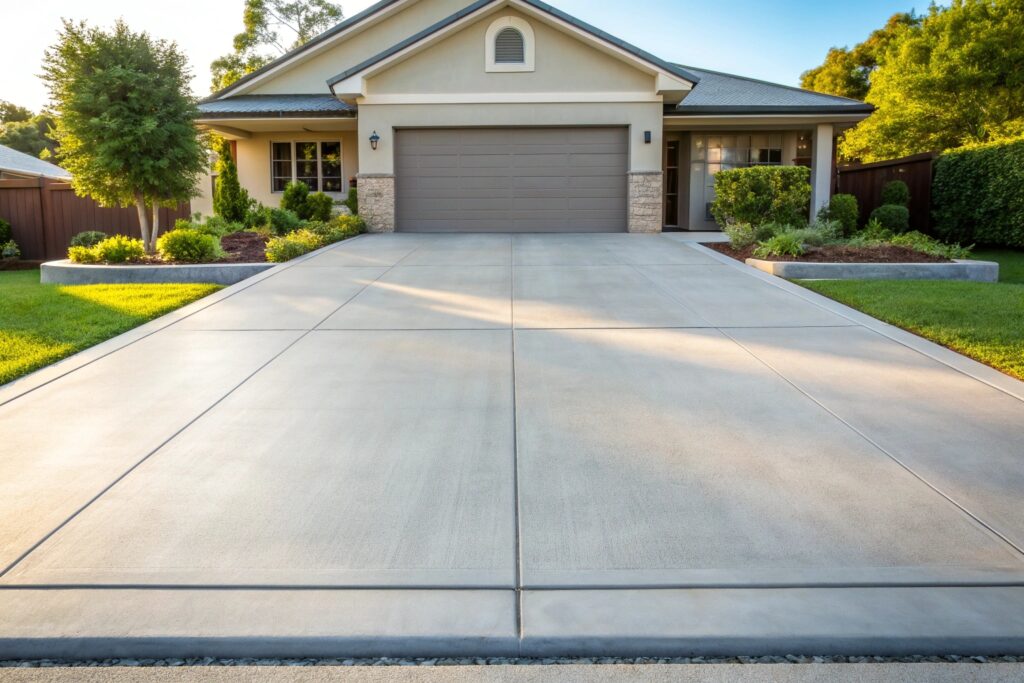
Summer Care: Preventing Heat Damage
December through February is when your concrete takes the biggest beating. On a 38-degree day, your driveway surface can reach 65 degrees or higher – that kind of heat does real damage to unsealed or poorly maintained surfaces.
Your summer protection checklist:
- Water lightly during extreme heat days (late afternoon, never in full sun)
- Keep surfaces clean – dirt and oil trap heat against concrete
- Avoid pressure washing in peak heat
- Check for surface crazing – those spiderweb-like cracks are your first warning sign
- Apply or refresh sealant before summer hits
Watch for efflorescence – those white, powdery deposits that show up during hot weather. It’s a sign that moisture is moving through your concrete, which means your sealer has broken down.
Winter Protection: Safeguarding Against Cold
Winter in East Toowoomba catches people off guard. Those June and July mornings when frost blankets your driveway are doing serious damage. The freeze-thaw cycle is concrete’s worst enemy – water seeps into cracks during the day, then freezes overnight and expands, forcing cracks wider.
Winter concrete protection:
- Clear standing water immediately when frost is forecast
- Keep drainage channels clear
- Avoid de-icing salts – they eat away at concrete (use sand for traction)
- Monitor shaded areas closely – they go through more freeze-thaw cycles
- Check outdoor entertainment areas every fortnight
The colder months are actually perfect for sealing work. The concrete is contracted, temperatures are stable, and you won’t have the curing issues that come with summer heat.
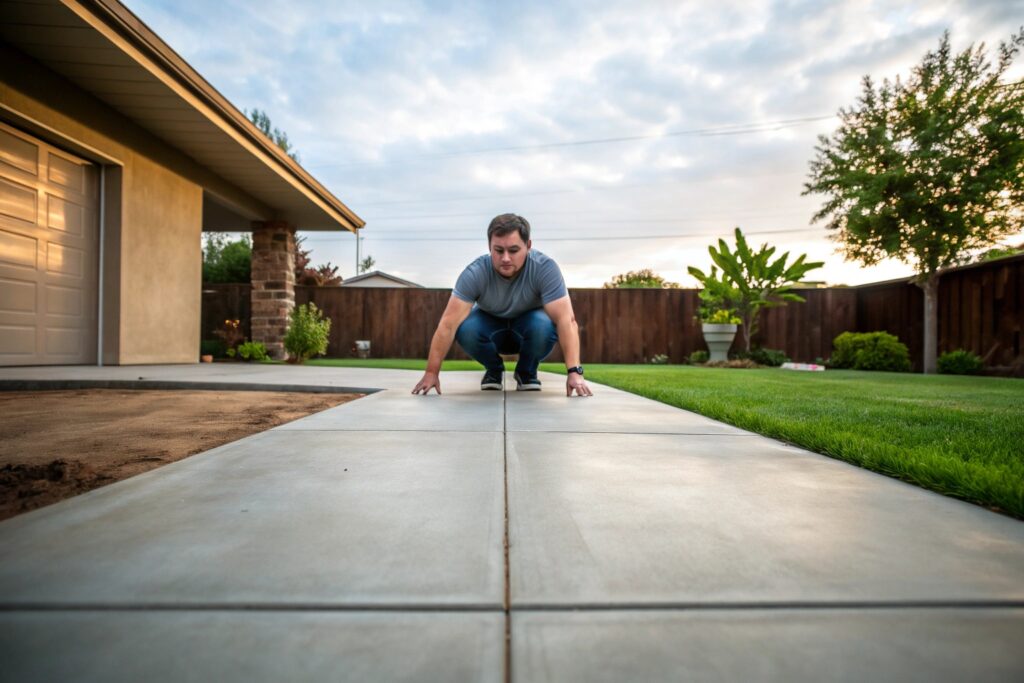
Spring Assessment: Identifying Post-Winter Issues
September is when homeowners suddenly notice what’s gone wrong over winter. The earlier you catch damage, the cheaper and easier it is to fix. Spend twenty minutes doing a proper inspection – you’re looking for anything that’s different from last autumn.
Your spring inspection checklist:
- Surface cracks wider than 3mm need professional assessment
- Spalling or flaking – usually means water got in and froze
- Uneven sections or sinking – stand back and look along the length
- New dark patches indicate water penetration or failed sealant
- Check expansion joints between concrete sections
- Note where water pools after rain – these are your problem areas
After the next good rain, go outside an hour later and see where water’s still sitting. Those spots need attention before next winter.
The Importance of Seasonal Sealing in Queensland’s Climate
In East Toowoomba’s climate, sealing isn’t optional – it’s the difference between concrete that lasts 30 years and concrete that needs replacing after 15. Quality sealers reduce surface temperature by reflecting heat, stop moisture penetration, and provide stain resistance.
The best time to seal is late March or early April – you’ve finished with summer heat but you’re getting ahead of winter moisture. You can also seal in early September for protection going into summer.
Resealing schedule:
- High-traffic areas (driveways) – Every 2-3 years
- Medium-traffic areas (patios, walkways) – Every 3-4 years
- Decorative stamped concrete – Every 2-3 years
Always reseal the entire surface, not just damaged sections – partial sealing creates obvious color differences and doesn’t provide consistent protection.
DIY Maintenance vs. Professional Concrete Care in East Toowoomba
What you can handle yourself:
- Regular cleaning with garden hose and stiff broom
- Minor stain removal with commercial degreasers
- Small crack filling (under 3mm)
- Applying sealant to small areas
- Keeping drainage clear
When to call a professional:
- Cracks wider than 5mm indicate structural issues
- Sinking or uneven sections need specialised levelling equipment
- Large-scale sealing – professionals have spray equipment for better coverage
- Spalling or surface degradation
- Decorative concrete repairs – matching patterns is nearly impossible without experience
The biggest DIY mistake? Sealing concrete that hasn’t been properly cleaned and prepped. You’re literally sealing dirt into the surface, which means the sealer fails within months instead of years. Professional contractors follow Australian standards for concrete construction and maintenance to guarantee proper application and long-lasting results.

Long-Term Maintenance Schedule for Different Concrete Applications
Driveways: Monthly sweeping, deep clean every 6 months, professional sealing every 2-3 years, structural inspection every 5 years.
Patios: Monthly light cleaning, quarterly settling checks, resealing every 3-4 years (decorative finishes every 2-3 years).
Pathways: Bi-monthly vegetation clearing, 6-month trip hazard inspections, sealing every 3-4 years.
Keep a simple maintenance log with dates and photos every six months. When you eventually sell your property, documented concrete maintenance adds value. More practically, it helps you spot gradual changes you might miss day-to-day.
Protect Your East Toowoomba Concrete Investment
Your concrete surfaces represent a significant investment in your property. East Toowoomba’s challenging climate means these surfaces need attention, but with the right seasonal approach, you’re looking at decades of solid performance instead of premature failure.
The best time to start proper concrete maintenance is right now, whatever season you’re reading this. Spring assessment, summer protection, winter safeguarding, and consistent year-round care add up to thousands saved and concrete that still looks good when your neighbors are dealing with replacement costs.
Need expert help with concrete maintenance East Toowoomba seasonal care? Our team knows the local climate challenges inside and out, and we’ve helped hundreds of East Toowoomba homeowners protect their concrete investments. Contact us today for a free assessment of your property’s concrete surfaces and a customized maintenance plan that fits your specific needs and budget.
