
House Slabs in Toowoomba Poured Right From the Ground Up
House Slabs Toowoomba: Strong Foundations for New Home Builds Across the Darling Downs
Building a new home in Toowoomba is one of the biggest investments you’ll ever make. And before a single wall goes up, before the frame is erected, before anything else happens on that block — the slab goes down. Get that right, and everything above it has a fighting chance. Get it wrong, and you’ll be chasing cracks in your walls, sticking doors, and uneven floors for as long as you own the house.
We pour house slabs for new home builds right across Toowoomba and the Darling Downs — for homeowners, owner builders, and construction teams who know that the base of a home is not the place to cut corners. Every slab we pour is taken seriously, whether it’s a compact two-bedroom or a large family home on an acreage block. If you’re building in this region, here’s what you need to know.
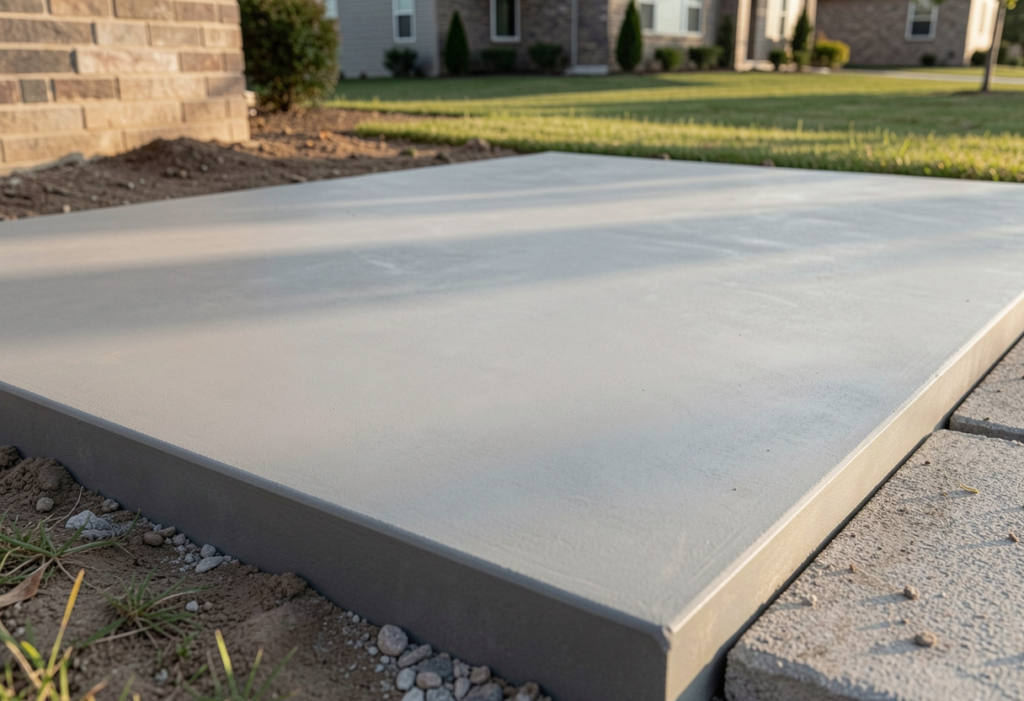
What Goes Into a Good House Slab
A house slab isn’t just concrete poured on dirt. There’s a proper sequence to it, and every step matters.
Prepared and Compacted Base
Before any concrete is mixed, the ground underneath needs to be properly prepared and compacted. A soft or poorly prepared base will shift over time, and the slab above it will move with it. This step doesn't get skipped.
Correct Slab Type and Thickness
Not every block in Toowoomba is the same. Soil conditions vary across the Darling Downs, and the slab type and thickness used on your block needs to suit what's underneath it. This gets determined before a single thing is poured.
Poured, Finished, and Level
Once the steel is in and everything is checked, the concrete is poured and finished to a flat, level surface. The frame cannot go up on a slab that isn't level — so this part of the finish is non-negotiable.
Steel Reinforcement to Engineering Plans
Every house slab is reinforced with steel laid out exactly to the engineering specifications for that build. The engineer's plans dictate where the steel goes, how it's spaced, and how it's supported off the ground.
Toowoomba's Local Conditions Make Slab Selection More Important Here
Toowoomba isn’t a flat coastal city built on sand and clay fill. It sits on the edge of the Great Dividing Range at over 600 metres above sea level, and the soil conditions across the Darling Downs reflect that. Reactive clay is common across many residential areas — Harristown, Newtown, Kearneys Spring, Rangeville, and out through the newer estates on the city’s fringe. That clay moves. It swells after rain and shrinks back in dry spells, and it puts real pressure on anything sitting on top of it.
We’ve poured house slabs across Toowoomba and the surrounding region long enough to know which areas need extra attention at the engineering and preparation stage. Local knowledge matters on this kind of work. A concretor who doesn’t know this region might treat every block the same way. We don’t. Every site gets assessed for what’s actually there, and every slab is poured to suit it.
House Slab Types Used in Toowoomba
There are two main types of house slabs used for new home builds in the Toowoomba region. Which one is right for your block depends on the soil conditions and what your engineer specifies.

Waffle Pod Slabs
A waffle pod slab uses a grid of foam pods placed under the concrete. Those pods reduce the total amount of concrete needed to pour the slab without making it any less strong — the concrete fills in around and over the pods, creating a ribbed structure underneath that does the same job as a full solid slab but uses less material. Waffle pod slabs are commonly used on stable, well-drained ground.
Conventional Slabs
A conventional slab is poured directly onto a prepared ground surface without pods underneath — it's a solid pour from the bottom up. These are typically used where the soil conditions on the block require a heavier, more robust base, or where the engineer has specified this method based on what's going on beneath the surface. In parts of Toowoomba where reactive or expansive clay soils are present, conventional slabs are often the right call.
How We Get the Job Done
Preparing and compacting the ground
The ground is cleared, levelled, and compacted to create a stable base. Any fill that's been brought in needs to be properly compacted in layers — loose fill under a house slab is one of the most common causes of problems down the track.
Pouring and finishing the concrete
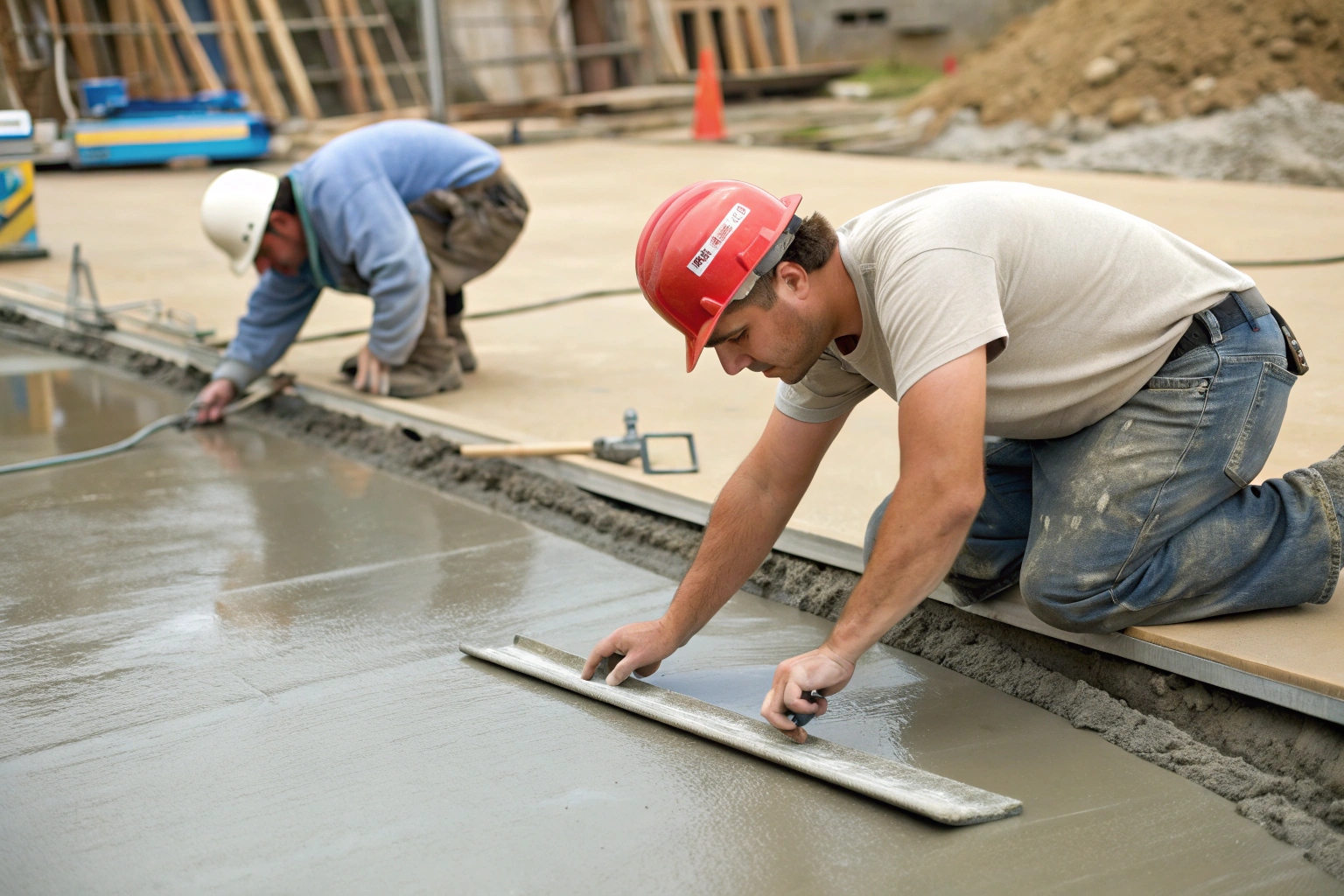
The concrete is poured and worked across the full slab area. The surface is then finished level and smooth using straightedges and floats. Getting this finish right is what ensures the frame sits flat and the floors inside the home are even.
Preparing and compacting the ground
The ground is cleared, levelled, and compacted to create a stable base. Any fill that's been brought in needs to be properly compacted in layers — loose fill under a house slab is one of the most common causes of problems down the track.
Curing before framing begins
Once poured, the slab needs time to cure and reach its required strength before the frame can go up. This isn't something that gets rushed.
Laying the steel and pods
The steel reinforcement is laid out to match the engineering plans exactly. If a waffle pod slab is being poured, the foam pods are placed in their grid pattern before the steel goes in on top.
Setting up the formwork
Timber formwork is set up around the perimeter of the slab to hold the concrete in place while it's poured and sets. This defines the shape and edge profile of the finished slab.
Ready to get your house slab quoted?
If you’re building a new home in Toowoomba or anywhere across the Darling Downs, get in touch for a free quote on your house slab. Bring your plans, your engineering drawings if you have them, or just a description of what you’re building — we’ll take it from there.
Frequently Asked Questions -
House Slabs in Toowoomba
Slab pricing varies depending on the size of your home, the slab type specified by your engineer, and the ground conditions on your block. Toowoomba blocks with reactive clay or unusual fill can require additional preparation work that affects the final cost. I always recommend getting a quote based on your actual plans and engineering drawings rather than going off a per-square-metre figure you’ve seen online — those numbers rarely account for local site conditions. Get in touch and I’ll give you a straight price based on what your build actually needs.
You don’t need engineering drawings in hand before you call, but you will need them before work can start. In Toowoomba, house slabs must be poured to a licensed engineer’s specifications — that’s a building code requirement, not something we can work around. If you’re in the early stages of planning your build, I can point you in the right direction for local engineers who work regularly in this region. The sooner you get that sorted, the faster we can get your slab scheduled.
Toowoomba’s climate is cooler and wetter than most of Queensland, and that does affect concrete work. We avoid pouring in heavy rain for obvious reasons, and cold overnight temperatures during winter can slow the curing process down. I plan pours around the forecast and make sure curing conditions are right before we commit to a pour date. It’s better to shift a pour by a day or two than to rush it and compromise the slab.
Absolutely, and most owner builders in Toowoomba find it easier to do exactly that. Having one crew handle the house slab, paths, driveway, and any other concrete work on the block keeps things simple — one point of contact, consistent finish, and no disputes between trades about who’s responsible for what. I work across full residential builds regularly, so if you want to lock in the whole job from the start, that’s an easy conversation to have.
Everything from modest three-bedroom homes on standard residential blocks through to larger acreage builds out on the Darling Downs. The size of the home changes the complexity of the pour and the amount of steel and concrete involved, but the standard of work stays the same regardless. I’ve worked on owner-builder projects, project home builds, and custom designs — and I treat all of them the same way. If it’s going on your block, it gets poured properly.
You don’t have to be there, but a lot of owner builders like to be present for the pour and I completely get that — it’s a big moment in the build. What I do need is for someone with authority over the project to be reachable by phone on the day in case any decisions need to be made quickly. For owner builders in Toowoomba managing the project themselves, I’d suggest being around if you can — it’s your build, and watching the slab go down gives you a good understanding of exactly what’s been put into it before anything goes on top.
