
Concrete Shed Slabs in Toowoomba Poured and Done Right
Shed Slabs
Concrete shed slabs in Toowoomba are one of our core services, delivered across residential properties, rural blocks, and working farms throughout the Darling Downs. Whether you’re putting up a small garden shed or a full-scale workshop, we pour and finish your slab with the right preparation, the right reinforcement, and the right finish to support your structure for the long term.
A shed slab might look like a simple pour, but the details matter. A base that hasn’t been properly compacted, concrete that’s too thin for the load, or a flat surface with nowhere for water to go — these are the things that lead to cracking, settlement, and water pooling inside the shed. Getting it right from the start is far less expensive than fixing it later, and that’s exactly what our team focuses on every time we take on a job across Toowoomba and the surrounding region.

What Makes a Quality Concrete Shed Slab
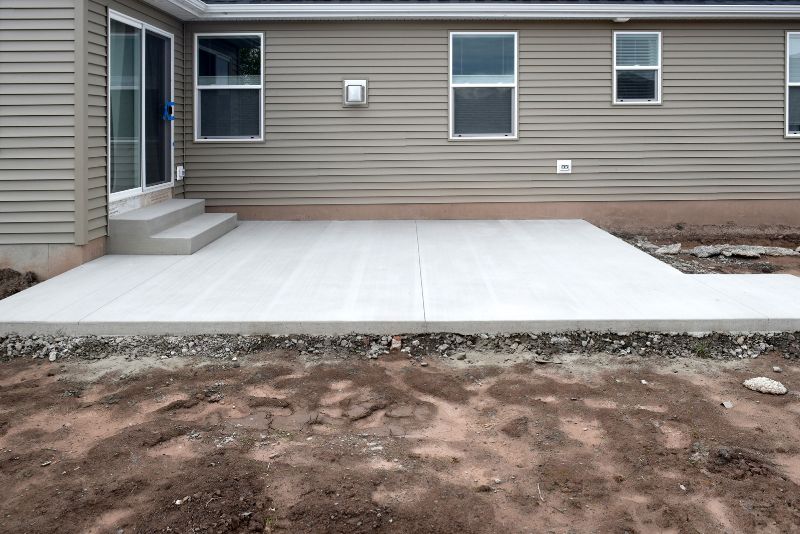
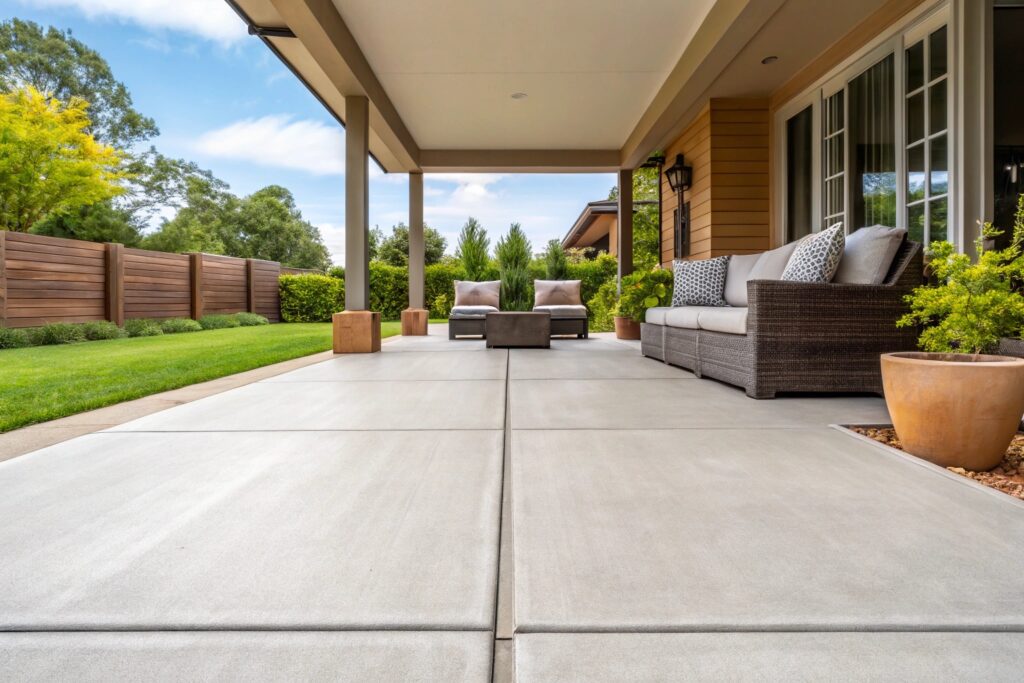
A quality concrete shed slab comes down to four things done properly — a well-prepared base, the right concrete thickness, correct steel reinforcement, and a finished surface that drains. Leave any one of these out and you’re setting the slab up to fail.
The base needs to be compacted firmly before any concrete goes down. Loose or uneven ground beneath the slab is the leading cause of cracking and settlement over time. The concrete thickness needs to match what the shed will actually be used for — a light garden shed sits on a different spec to a shed storing heavy machinery or vehicles. Steel reinforcement ties the slab together and gives it the tensile strength to handle load and ground movement without breaking apart. And the surface needs a slight fall built in so that water drains out of the shed rather than sitting on the floor.
Each of these elements works together. Our team builds every shed slab in Toowoomba with all four in place from the start.
Shed Types We Handle Across Toowoomba and the Darling Downs
Garden and Storage Shed Slabs in Toowoomba
A garden or general storage shed puts minimal load on its slab, but that doesn’t mean the base preparation gets skipped. We pour these slabs at the correct thickness for light residential use, with a compacted sub-base and a drainage fall built into the surface so the shed floor stays dry year-round.
Workshop and Garage Shed Slabs Built for Heavy Use
Workshop and garage sheds carry significantly more load — vehicles, heavy equipment, benches, and constant foot traffic. We increase slab thickness and reinforcement spec accordingly, giving the floor the structural strength to handle that weight without cracking or deflecting over time. The finish is also done to a standard suitable for working on.
Farm Shed and Machinery Shed Slabs Across the Darling Downs
Farm and machinery sheds deal with the heaviest loads of all — tractors, headers, and other large equipment that put real point loads through the slab. We design and pour these slabs across the Darling Downs to handle that kind of use, with reinforcement and thickness matched to the machinery going inside.
Drainage and Surface Fall on Concrete Shed Slabs
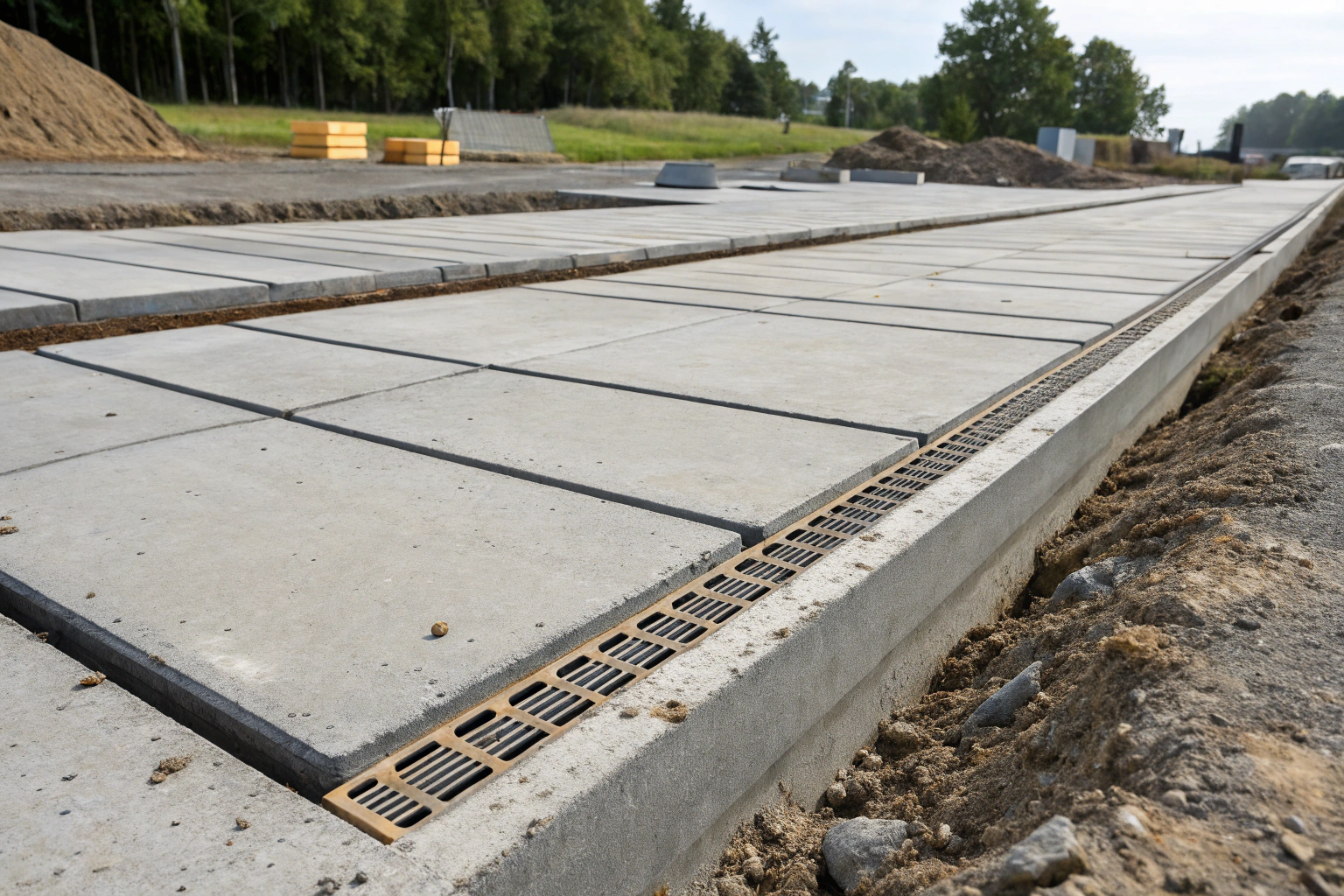
Surface drainage is one of the most overlooked parts of a shed slab, and it’s one of the most important. A flat slab with no fall built in means water from rain, washing down equipment, or general use has nowhere to go. It sits on the floor, works its way under stored items, and over time creates damp conditions inside the shed.
We finish every shed slab with a slight fall toward the open end or a designated drainage point so water moves off the surface and out of the shed. The fall is subtle enough that the floor feels level underfoot but effective enough to do its job properly.
On farm and workshop sheds we can also incorporate a drainage channel at the front edge where heavier washdown is expected.
Drainage and Surface Fall on Concrete Shed Slabs
Slab thickness is determined by what the shed will be used for and what loads it needs to carry. Below is a plain guide to what we recommend across common shed types on Toowoomba and Darling Downs properties.
| Shed Type | Recommended Thickness | Reinforcement |
|---|---|---|
| Garden / storage shed | 85–100mm | SL72 mesh |
| Residential garage | 100mm | SL82 mesh |
| Workshop shed | 100–125mm | SL82 mesh or reo bar |
| Vehicle storage (multiple) | 125mm | Reo bar grid |
| Farm/machinery shed | 125–150mm | Reo bar grid |
| Heavy equipment storage | 150mm+ | Engineer specified |
These are general starting points. The final specification for your slab depends on the ground conditions at your site, the size of the slab, and the specific loads going on it. Toowoomba’s reactive clay soils can also influence what we recommend for the base preparation and reinforcement layout.
If you’re not sure what thickness your shed slab needs, we’ll assess the site and give you a straight answer before any work begins.
The Shed Slab Pouring Process Step by Step
Site Assessment and Base Preparation
Every job starts with a site visit to assess the ground conditions, check levels, and confirm the slab dimensions. Once we're on site we excavate to the correct depth, bring in compactable fill where needed, and compact the sub-base thoroughly. Toowoomba's reactive clay soils require particular attention at this stage — a well-prepared base is what everything else sits on.
Formwork, Steel, and the Pour
Formwork is set up to the correct dimensions and checked for level before anything else happens. Steel reinforcement goes in next, chaired off the base to sit at the right depth. Once the steel is in place and the formwork is confirmed, we bring the concrete in and pour to the specified thickness across the full slab.
Finishing, Drainage Fall, and Curing
After the pour the surface is finished with the drainage fall built in and trowelled to the appropriate finish for the shed type. The slab is then left to cure properly before any shed frame goes up. Rushing the curing stage is one of the most common causes of surface damage on new slabs, so we let the concrete reach adequate strength before handover.
Steel Reinforcement for Shed Slabs Explained
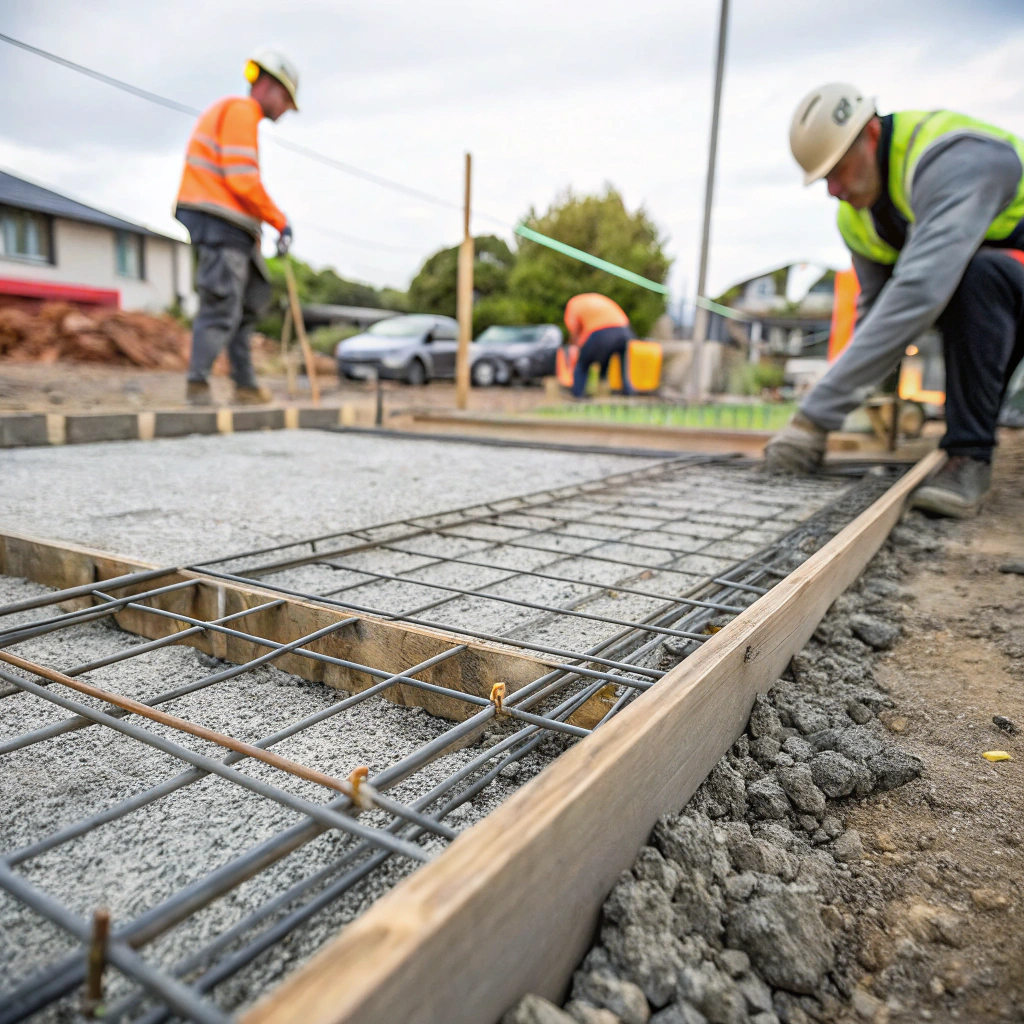
Steel reinforcement is what gives a concrete shed slab its tensile strength — the ability to handle load, resist cracking, and hold together if the ground beneath it moves. Concrete on its own is strong under compression but weak under tension. Without steel, a slab under load or over shifting ground will crack and separate.
For lighter residential shed slabs we typically use SL72 or SL82 steel mesh, laid centrally within the slab depth and lapped correctly at joins. For workshop slabs, vehicle storage, and heavier use sheds we step up to reo bar laid in a grid pattern, which provides greater tensile strength across the full slab.
On farm and machinery shed slabs where point loads from heavy equipment are a factor, the reinforcement layout is specified to match those loads directly.
Reinforcement is only effective when it’s positioned correctly within the slab. We chair the steel off the base so it sits at the right depth in the pour — not resting on the ground, not floating at the top, but centred where it does its job.
Common Shed Slab Problems and How We Avoid Them
Most shed slab problems trace back to shortcuts taken during preparation or pouring. These are the issues we see most often on Toowoomba properties, and how we prevent them.
Cracking is usually the result of a poorly compacted base, undersized reinforcement, or concrete that was mixed or poured incorrectly. We address all three before the pour begins.
Uneven settlement happens when the ground beneath the slab wasn’t properly prepared. We compact the sub-base thoroughly and check levels before formwork goes in.
Water pooling inside the shed comes from a slab poured without adequate surface fall. Every slab we finish includes a built-in drainage fall as standard.
Edge cracking and corner damage are common on slabs where the formwork wasn’t set up correctly or the concrete was too thin at the edges. We maintain consistent thickness across the full slab, edges included.
Curing Time and Aftercare for New Shed Slabs
Concrete gains its strength progressively after the pour, and giving it adequate time to cure before loading it up is what separates a slab that performs long-term from one that shows surface damage and cracking early on.
As a general guide, a new shed slab should be left to cure for a minimum of seven days before any shed frame is erected on it. At seven days the concrete has reached sufficient strength to take the load of construction. Full strength is reached at 28 days, and where heavy machinery or vehicles will be regularly driven onto the slab, waiting closer to that mark before putting it into full use is the better call.
During the curing period the surface should be kept moist in warm or dry conditions to prevent the concrete drying out too quickly. Toowoomba’s summer heat in particular can accelerate surface drying, which leads to shrinkage cracking if the slab isn’t kept damp in the days following the pour.
Frequently Asked Questions
Thickness depends on the shed’s intended use. Garden sheds typically need 85–100mm, residential garages and workshops 100–125mm, and farm or machinery sheds 125–150mm or more depending on equipment loads and ground conditions.
Lighter residential slabs use SL72 or SL82 steel mesh. Workshop and vehicle storage slabs step up to reo bar grid. Heavy machinery and farm shed slabs are reinforced to match the specific point loads involved.
Yes. Sloping blocks are managed through excavation, fill compaction, and correct formwork setup to achieve a level slab. Retaining edges may be required on steeper sites. We assess each sloping block individually before quoting.
A minimum of seven days curing is recommended before erecting the shed frame. For slabs that will carry heavy machinery or vehicles, waiting closer to 28 days before full use gives the concrete time to reach full strength.
Cracking most commonly results from poor sub-base compaction, undersized reinforcement, incorrect concrete mix, or the slab drying out too quickly during curing. Proper preparation and finishing at the time of pour prevents the majority of cracking issues.
Get a Free Quote on Your Toowoomba Shed Slab
If you’re planning a new shed on your Toowoomba or Darling Downs property, get in touch with our team for a free quote. We’ll assess your site, confirm the right slab specification for your shed type and intended use, and give you a straightforward price with no hidden costs.
We handle shed slabs of all sizes across Toowoomba and the surrounding region — from small residential garden sheds through to large farm and machinery sheds on rural properties. Every job gets the same attention to base preparation, reinforcement, and finish regardless of size.
Call us today or fill in the contact form to get your free shed slab quote. We’ll get back to you promptly and can arrange a site visit at a time that suits you.
